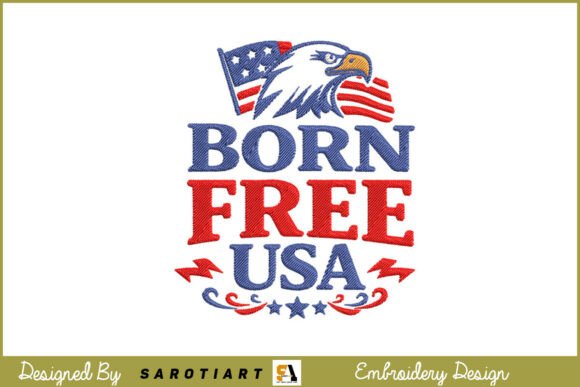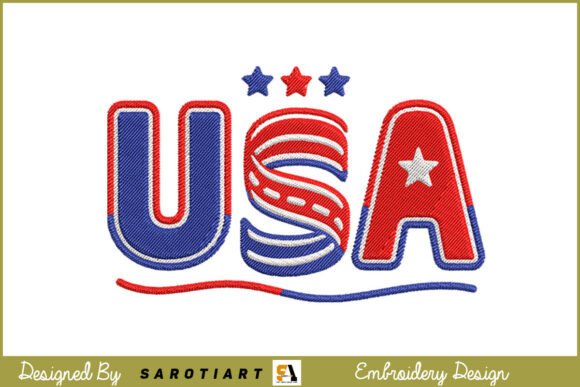
USA Patriotic 4th of July Embroidery Review
As a designer who has spent years navigating the delicate balance between artistic vision and machine limitations, I approach every new machine embroidery design with a critical eye. The market is flooded with generic patterns, but finding a piece that truly elevates a handmade product requires looking past the preview image. Today, I am evaluating the USA Patriotic 4th of July Embroidery, specifically the version featuring the Love Hands Line Art motif. This isn't just about whether it stitches out; it is about how this specific embroidery file performs when translated into real-world merchandise for your craft business or personal projects.
First Impressions: Mood and Visual Personality
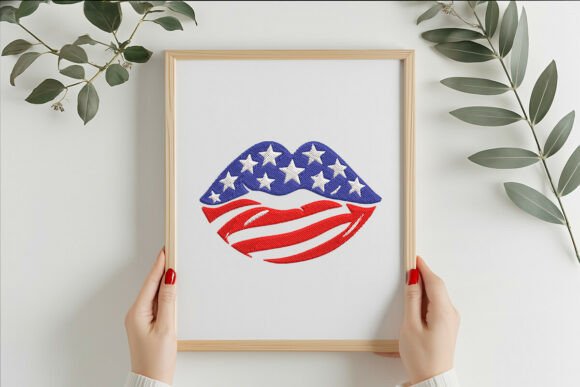
When I first loaded the USA Patriotic 4th of July Embroidery into my digitizing software, the initial mood was immediately clear: modern patriotism. Unlike traditional designs that rely heavily on dense eagles or complex flags, this design leans into the "Love Hands" line art aesthetic. It feels fresh and contemporary, which is exactly what many small shop owners need to stand out during the holiday season. The layout suggests a clean, linear flow, relying on the interplay of negative space and defined lines rather than heavy fill stitch areas.
This visual personality makes it an excellent candidate for custom apparel where subtlety is key. Instead of shouting "Independence Day," it whispers it through the gesture of the hands. For an Etsy seller or boutique owner, this kind of understated elegance often translates to higher perceived value. It signals to the customer that the item is curated and thoughtful, rather than mass-produced. The design assets here feel versatile enough to work as a standalone statement or as a charming accent on a larger garment.
Real-World Application: From Hoop to Finished Product
To truly understand the utility of this digital embroidery file, I visualized a specific scenario: preparing a collection of canvas tote bags and heavyweight sweatshirts for a summer craft fair. Imagine stitching this tote bag design onto natural, unbleached cotton. The line art nature of the hands would likely pop beautifully against the neutral background, especially if you choose red and navy blue thread colors for the outline, leaving the interior open or lightly filled.
In this context, the USA Patriotic 4th of July Embroidery shines because it avoids the common pitfall of over-stitching. Heavy stitch density can ruin the drape of a lightweight tote or make a sweatshirt collar stiff and uncomfortable. Because this design emphasizes line art, it allows the fabric texture to remain visible, maintaining the softness essential for high-quality handmade products. If I were creating baby embroidery items, such as a onesie or a nursery pillow cover, this design offers a gentle way to celebrate the holiday without overwhelming the small scale of the garment.
Furthermore, consider the potential for embroidered patch creation. The defined lines of the hands would translate well into a cut-out patch application, which could then be sold as a separate accessory or used to repair and upcycle denim jackets. For the creative entrepreneur, this flexibility means one embroidery project can yield multiple revenue streams, from direct-to-garment stitching to finished patch sales.
Navigating Challenges: Where Caution is Required
While the design is promising, a professional review must address where things can go wrong. As with any intricate line art, the USA Patriotic 4th of July Embroidery demands attention to detail regarding hoop size and stabilizer choice. If you attempt to stitch this on a very small hoop, the tension might pull the lines unevenly, distorting the shape of the hands. Always verify the recommended dimensions before committing to a final run.
Fabric choice is another critical factor. On textured fabrics like thick terry cloth or slubbed linen, fine line details can sometimes get lost in the weave. In these cases, you might need to adjust the satin stitch width slightly or use a heavier weight thread to ensure visibility. Similarly, on dark fabrics, the contrast becomes paramount. Without proper underlay, the design may appear muddy. I always recommend testing on scrap fabric first to see how the light interacts with the threads on different backgrounds.
Stretchy fabrics present their own set of challenges. If you are applying this to a jersey knit for a t-shirt, the movement of the fabric can cause puckering around the edges of the design. Using a tear-away or cut-away stabilizer appropriate for knits is non-negotiable here. Additionally, curved surfaces like caps require careful placement. The geometry of the hands might warp if placed too close to the seam or the brim of a hat. Always visualize the curvature of the final product before starting the stitch count.
Practical Designer Notes for Success
For those ready to integrate this Independence Day design into their workflow, here are my top practical notes to ensure a professional finish:
- Test Run First: Never skip the test on scrap fabric. Check for thread breaks, skipped stitches, or tension issues, especially at the corners of the hand gestures.
- Color Strategy: While red, white, and blue are standard, consider how these thread colors interact with your base material. Sometimes a metallic gold or silver outline adds a premium touch to a personalized gift.
- Stabilizer Matters: The right stabilizer is the backbone of good embroidery. For commercial embroidery on varied textiles, invest in high-quality backing to prevent distortion.
- Licensing Check: Before selling finished items or offering this as a digital product, confirm the licensing terms. Ensure you have the right to sell physical goods created with this embroidery file.
- Mockup Visualization: Create printable mockups in both black and white and full color to see how the design reads at a distance. This helps in assessing its impact as a small shop product.
Final Verdict: A Versatile Asset for Your Business
The USA Patriotic 4th of July Embroidery stands out as a strong addition to a designer's library, particularly for those focusing on modern, clean aesthetics. Its ability to function as both a focal point and an accent makes it incredibly valuable for apparel decorators and makers alike. Whether you are producing a limited run of holiday gifts, stocking a boutique with seasonal holiday embroidery items, or fulfilling custom orders for clients, this design offers the reliability needed for professional results.
It respects the integrity of the fabric while delivering a clear, recognizable message. By paying attention to the nuances of stitch density, fabric texture, and placement, you can transform this digital asset into a tangible product that customers will love. For the savvy maker looking to elevate their brand consistency and buyer engagement, this design is a practical, stylish choice that bridges the gap between patriotic tradition and contemporary design trends.