Cowboy Cowgirl Line Dance Embroidery Review
As a designer who has spent years navigating the intersection of digital files and physical thread, I approach every new machine embroidery design with a specific set of questions. Does it stitch cleanly? Will it hold up on a customer's favorite sweatshirt? And most importantly, does it capture the spirit of the theme without looking cluttered or cheap? Today, I am putting the Cowboy Cowgirl Line Dance Embroidery file through its paces to see if it deserves a spot in your digital library for commercial use or personal gifting.
The First Impression: A Nod to Rustic Rhythm
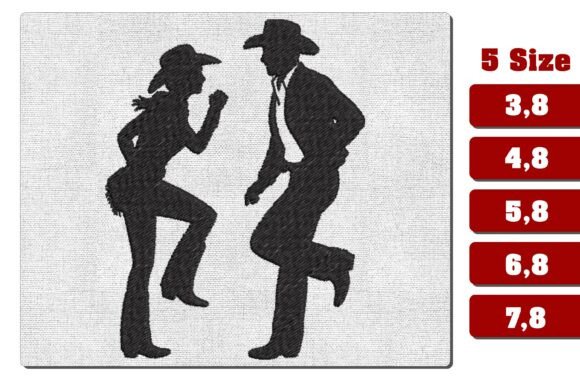
When I first loaded the Cowboy Cowgirl Line Dance Embroidery into my digitizing software, the visual personality was immediately clear. This is not a hyper-realistic portrait; it is a stylized, graphic representation that leans heavily into the fun, communal energy of a line dance. The layout balances the figures well, ensuring that neither the cowboy nor the cowgirl dominates the composition to the point of awkwardness. The lines are clean, suggesting a design built for clarity rather than excessive detail.
For those of us working in the Farm and western decor niche, this aesthetic is gold. It feels authentic without being kitschy. The mood it creates is one of celebration and movement, making it an ideal candidate for holiday embroidery projects or boutique merchandise aimed at country music fans. The visual weight of the design suggests it will stand out boldly on dark denim or rustic canvas, which is exactly where I would want to place it.
Real-World Application: From File to Finished Product
To truly evaluate this embroidery file, I imagined a real-life scenario: preparing a custom order for a local craft fair. My client wanted a series of personalized tote bags for a barn wedding. The goal was to create a cohesive look that felt handmade but professional. I envisioned using the Cowboy Cowgirl Line Dance Embroidery as the central motif on a heavy-duty cotton tote bag.
In this context, the design shines. The shapes are distinct enough that they won't get lost in the weave of the fabric. If I were to use this for sweatshirt embroidery, specifically on a crewneck fleece, the design's bold outlines would prevent the "bleeding" effect often seen when stitching on textured fabrics. For an Etsy seller or small shop owner, this reliability is crucial. Customers expect their finished product to look crisp, not fuzzy or misshapen.
I also considered how this might work for custom apparel like hats. While caps present a unique challenge due to their curved surface, the simplified nature of the figures in this design suggests it could be scaled down slightly for a patch application. An embroidered patch featuring this line dance scene could be sewn onto jeans or jackets, offering a versatile way to sell the design as a standalone accessory or a value-add to clothing items.
Stitching Performance and Fabric Considerations
One of the primary concerns with any multi-figure design is the interaction between different stitch types. In the Cowboy Cowgirl Line Dance Embroidery, there appears to be a mix of fill stitch for the main bodies and potentially satin stitch for the borders or smaller details. This combination is generally effective for creating depth. However, the success relies heavily on the stitch density.
If you plan to use this on thin fabric, such as a light t-shirt or a tea towel, you must be cautious. High-density areas can cause puckering, ruining the drape of the garment. I strongly recommend testing the design on scrap fabric first. Use a tear-away or cut-away stabilizer appropriate for the material. For stretchy fabrics like jersey, a stable base is non-negotiable. Without it, the running stitch elements used for fine details might pull the fabric, distorting the dancers' poses.
Another critical factor is the background color. While the design likely looks great on neutral tones, placing it on a busy plaid or floral pattern might reduce its impact. For the best results, pair this machine embroidery design with solid colors that offer high contrast. If you are working with dark fabric, ensure your thread colors are vibrant enough to pop. A muted brown thread on black denim will result in a muddy, unprofessional look that diminishes the perceived value of your handmade product.
Navigating Challenges: Where to Be Careful
While the Cowboy Cowgirl Line Dance Embroidery is robust, it is not immune to common embroidery pitfalls. One area requiring attention is the hoop size. The product description mentions multiple sizes, which is excellent, but you must verify the dimensions against your machine's capabilities. Attempting to stitch a large version in a small hoop will require re-hooping, which can lead to registration errors—where the parts of the design don't line up perfectly.
Furthermore, consider the placement on layered garments. If you are embroidering this on a hoodie with a pocket, ensure the design doesn't sit directly over the seam. The bulk created by the thread combined with the fabric layers can make the item uncomfortable to wear. Similarly, avoid placing dense sections of the design near the edges of a cap or a pillow cover, as the needle may struggle to penetrate the tight curve or the thick stuffing underneath.
For those selling digital product sellers or creating printable mockups, remember that what you see on the screen is not always what the customer gets. Always compare light and dark fabric backgrounds in your previews. A design that looks sharp in white might appear too heavy or indistinct on navy blue. Transparency about these limitations builds customer trust and reduces return rates.
Practical Designer Notes for Success
To maximize the potential of this Embroidery asset, follow these practical steps before committing to a full production run:
- Test on Scrap Fabric: Never skip this step. Stitch a test run to check for tension issues, thread breaks, or unwanted puckering.
- Review Thread Contrast: Select thread colors that complement the fabric but maintain visibility. Avoid matching the thread too closely to the background unless aiming for a tonal, subtle effect.
- Confirm Licensing: The product description states, "You may use our designs to create finished gifts." This implies permission for personal gifts and potentially small-scale sales. However, if you are planning to sell the digital embroidery file itself or mass-produce items for a large brand, double-check the specific terms regarding commercial embroidery rights.
- Inspect Small Details: Zoom in on the file to ensure tiny elements, like buttons or facial features, have enough stitches to remain visible after washing.
- Use Proper Stabilizer: Match the stabilizer to the fabric weight. Heavy denim needs a heavier cut-away, while linen might only need a lightweight tear-away.
Final Verdict: A Versatile Asset for the Creative Entrepreneur
The Cowboy Cowgirl Line Dance Embroidery offers a strong foundation for a variety of creative projects. Its balance of style and simplicity makes it a reliable choice for apparel decorators and craft business owners alike. Whether you are creating a baby embroidery item for a themed nursery, a personalized gift for a friend's birthday, or inventory for your online store, this design brings a touch of western charm that resonates with many buyers.
By understanding its strengths and respecting the technical requirements of the medium, you can turn this digital file into a high-quality finished product. It enhances the visual appeal of your work, adds value to your brand, and provides a consistent, professional look that customers appreciate. For anyone looking to expand their portfolio with thematic, engaging designs, this is a worthy addition to your collection of design assets.