Review: Mimi Embroidery Design for Craft Fairs
First Impressions of the Mimi Design
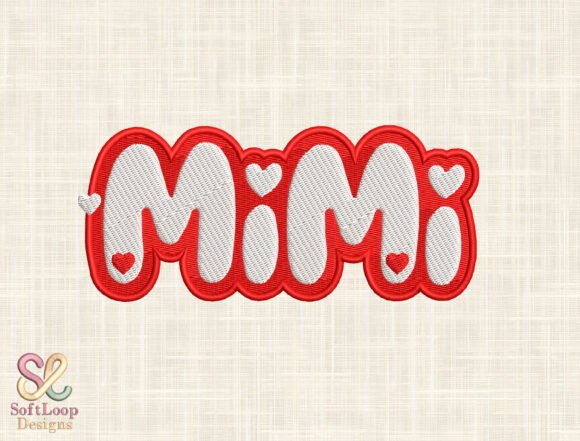
As I set up my workstation to prepare for the upcoming weekend craft fair, I am evaluating every Mimi Embroidery Design that could potentially become a best-seller. The first thing that catches my eye is the bold, rounded bubble lettering. It immediately signals a playful and adorable aesthetic, which is exactly what we need to draw families and gift-buyers into our booth. The description highlights vibrant red outlines with tin accents, creating a high-contrast look that pops against neutral backgrounds. This is not a subtle, minimal design; it is a statement piece designed to grab attention from across a crowded market table.
For an Etsy seller or a boutique maker looking to expand their handmade product line, this design fits perfectly into the "gift for grandma" category, especially leading up to Mother S Day. The name "Mimi" is universally recognized as a term of endearment, making it a versatile choice for various generations. However, before I commit to a large batch production run, I need to assess how this specific machine embroidery design translates from a digital file to a tangible, sellable item.
Product Placement and Visual Impact
When planning my booth display, visual hierarchy is everything. I need to know where the Mimi Embroidery Design will stand out the most. Based on the bold nature of the bubble letters, this design performs exceptionally well as a focal point rather than a small accent. On a standard tote bag, placing the design in the center creates an instant brand identity for a tote bag design that feels both modern and nostalgic. The vibrant red outline ensures that even from a distance, customers can read the text clearly.
I am also considering apron embroidery for this file. An apron with "Mimi" stitched in large, cheerful letters on the chest pocket or bib area would be a fantastic craft fair product. It suggests warmth and kitchen readiness, appealing directly to those looking for personalized gifts. Similarly, tea towel embroidery using this design offers a great opportunity for a farmhouse-style aesthetic. If paired with a textured linen or cotton blend, the bold stitching adds a tactile element that elevates the perceived value of the finished product.
For smaller items, such as embroidered patch collections or fabric pouches, the design holds its own, provided the scale is managed correctly. A patch featuring this design could be sold individually or attached to denim jackets and backpacks, offering a fun accessory option. Even on pillow covers, the rounded shapes of the letters soften the edges of the square fabric, creating a balanced and inviting look. These applications demonstrate the versatility of the digital embroidery file across different categories of handmade goods.
Photography and Online Appeal
In the digital marketplace, how a product photographs is just as important as how it feels. The Mimi Embroidery Design is highly photogenic. The contrast between the red outline and the tin accents creates depth in photos, making the stitches look rich and dimensional. For Etsy listings, this means less reliance on heavy editing to make the product look good. When I create a printable mockup for social media marketing, the bold typography reads clearly even on small screens, ensuring that potential buyers understand the design instantly. This clarity is crucial for driving engagement and converting browsers into buyers.
Practical Production Considerations
While the design looks promising, a professional designer knows that execution is key. Before running this through my machine for a full batch, I must address several practical points regarding stitch density and thread usage. Bold bubble letters often require significant fill stitching. If the density is too high, the fabric may pucker, ruining the smooth finish required for a premium commercial embroidery product. I will need to test the design on scrap fabric first to ensure the stabilizer supports the weight of the threads without distorting the shape.
The use of vibrant red and tin accents means I need to carefully select my thread colors. Red can sometimes bleed or show imperfections if the tension is off, so a thorough tension check is mandatory. Additionally, the "tin" accent implies a metallic or shiny thread, which can be tricky to manage. Metallic threads are prone to breaking if the hoop size is too tight or if the needle is dull. I will need to confirm the recommended hoop size in the file details to ensure the design fits comfortably without excessive stretching.
Challenges with Fabric and Scale
Not all fabrics are created equal when working with detailed designs. While the Mimi Embroidery Design is bold, tiny details within the bubble letters could get lost on thick or heavily textured fabrics like terry cloth towels or coarse canvas. I advise sellers to avoid using this design on very dark fabrics unless they are prepared to add a backing layer, as the red outline might not provide enough contrast against black or navy blue. Furthermore, curved surfaces like caps present a challenge. The rounded nature of the letters might distort slightly on the curve of a baseball cap, so testing on a cap frame is essential before selling them as a small shop product.
If you plan to downsize this design for small accessories, be cautious. Bubble letters rely on their volume to look cute; shrinking them too much can make the red outline look muddy and the interior fills indistinguishable. Stick to medium-to-large sizes for the best results. Always review the spacing between the letters to ensure the red outline does not merge with adjacent elements, which could happen if the design is scaled incorrectly.
Maximizing Sales and Brand Consistency
For creative entrepreneurs, consistency builds trust. Using the Mimi Embroidery Design across a cohesive collection—such as matching tea towels, aprons, and tote bags—creates a strong visual theme at your booth. This repetition helps customers remember your brand. The playful nature of the design invites interaction; people naturally smile when they see it, increasing the likelihood of a purchase. By positioning these items near the front of your table, you leverage the design's visual appeal to draw traffic deeper into your booth.
However, always remember to confirm the licensing terms before selling finished products. As a digital seller, you must ensure you have the right to use this embroidery file for commercial purposes. Some files are for personal use only, while others allow for unlimited sales of physical goods. Never assume; check the license agreement included with the download.
Final Designer Notes for Success
To summarize my evaluation, the Mimi Embroidery Design is a strong contender for any craft fair lineup focused on gifts and home decor. Its bold, friendly aesthetic aligns perfectly with current trends for personalized, heartfelt items. To ensure success, follow these steps:
- Test Run: Always stitch a sample on the exact fabric you intend to sell.
- Stabilizer Check: Use a heavy-duty cutaway or tear-away stabilizer to support the dense fill areas.
- Color Contrast: Verify that the red outline stands out clearly against your chosen background fabric.
- Mockups: Create at least one real-life mockup to photograph for your online store.
- Licensing: Double-check that your license allows for commercial embroidery sales.
By paying attention to these details, you transform a simple design asset into a profitable, high-quality handmade product that customers will love. Whether you are an experienced Embroidery business owner or a new crafter, this design offers a delightful way to celebrate family connections and boost your sales this season.