Retro Teal Daisy Embroidery Review
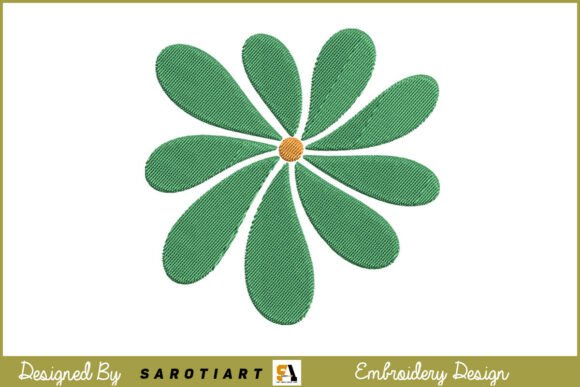
As a professional embroidery designer who has spent countless weekends setting up booths at craft fairs and managing online handmade shops, I know that the difference between a design that gathers dust and one that flies off the table often comes down to visual impact and practical application. Today, I am reviewing the Retro Teal Daisy Embroidery, a single flower design that promises vintage flair with clean, elongated petals and a contrasting orange center. Before I commit this machine embroidery design to my production schedule for an upcoming market weekend, I need to evaluate its potential as a profitable craft fair product.
First Impressions: Vintage Flair Meets Modern Appeal
When I first load the embroidery file onto my hoop, the aesthetic is immediately striking. The combination of teal and orange is a classic complementary color scheme that pops against neutral backgrounds. This design does not feel overly rustic or farmhouse-chic; instead, it leans into a sophisticated retro vibe that appeals to a modern demographic. For an Etsy seller or boutique maker, this Single Flowers category piece offers a unique selling point. It feels decorative yet bold enough to serve as a focal point. The elongated petals give it a slightly whimsical, art-deco influence, distinguishing it from the standard round daisies that saturate the current market.
In a crowded booth filled with similar handmade items, the Retro Teal Daisy Embroidery stands out because of its color contrast. The orange center acts as a visual anchor, drawing the eye instantly. This is crucial for customer engagement. When a shopper walks past your table, you have seconds to capture their attention. A design with such distinct thread colors ensures that even in a sea of white tote bags or beige aprons, your product commands notice.
Product Versatility: Where Does It Shine?
The true test of any digital embroidery file is its versatility across different substrates. I envision the Retro Teal Daisy Embroidery performing exceptionally well on several key handmade products. Let’s break down where this design works best for batch production:
- Tote Bag Design: This is arguably the strongest application. Placing the daisy on the corner of a natural canvas tote bag creates a chic, reusable accessory that feels premium. The size allows for a large-scale statement without overwhelming the fabric.
- Apron Embroidery: For kitchen-themed markets, stitching this on a linen or cotton apron adds a touch of personality. The vintage feel aligns perfectly with the "home cook" aesthetic that many buyers seek.
- Tea Towel Embroidery: Kitchen linens are high-turnover items. The teal and orange combination brings life to a kitchen, making these towels excellent impulse buys. However, care must be taken with the texture of the towel loops.
- Embroidered Patch: Creating patches from this design opens up a new revenue stream. Patches can be sold individually or used to embellish denim jackets and hats, extending the life of the design assets.
- Pillow Covers and Caps: While viable, these require more testing. The curvature of a cap can distort the elongated petals if the stabilizer isn't perfect, but on a flat pillow cover, the design looks elegant and inviting.
Practical Production Considerations for Small Shop Owners
While the visual appeal is high, successful commercial embroidery requires a critical eye toward technical execution. As a designer preparing for a weekend rush, I must ensure that the Retro Teal Daisy Embroidery translates from screen to fabric without issues.
Stitch Density and Fabric Texture
One of the primary concerns with floral designs is stitch density. If the petals are too dense, the fabric may pucker, ruining the drape of a tea towel or tote bag. Conversely, if the density is too low, the design may look sparse. I recommend running a test on scrap fabric that mimics your final material. Pay close attention to the transition between the teal petals and the orange center. Ensure there is no visible backing showing through, which would lower the perceived value of the finished product.
Fabric texture plays a significant role here. On a textured tea towel, the threads might sink in, requiring a heavier weight thread or a specific underlay to maintain definition. For smoother fabrics like quilting cotton or canvas, the design should render cleanly. Always check how the thread colors interact with the base fabric. A dark background might mute the teal, while a very bright white could make the orange appear harsher than intended.
Hoop Size and Placement
Before mass-producing, confirm the hoop size required for this design. If the design is too large for a 5x7 hoop, you will lose time re-hooping, which slows down your production line at a craft fair. Ideally, this design should fit comfortably within a standard hoop to maximize efficiency. Also, consider the placement. On a tote bag, centering the flower might look balanced, but placing it off-center can create a more dynamic, fashion-forward look. Create at least one real mockup to visualize the spacing before committing to a full run.
Selling Strategy: From Booth Display to Online Listings
For the Retro Teal Daisy Embroidery to succeed, it must be marketed effectively both in person and online. In a physical booth, lighting is everything. Ensure your display lights highlight the sheen of the thread, particularly the orange center. Grouping products by color—such as all teal-themed items together—can create a cohesive brand identity that encourages multiple purchases.
For digital sellers, the printable mockup is your best friend. Since customers cannot touch the item, your photos must convey quality. Use high-resolution images that show the texture of the stitches. Zoom in on the contrast between the teal and orange to demonstrate the precision of the machine embroidery design. In your Etsy listings, describe the vintage inspiration and the durability of the stitching. Emphasize that this is a handcrafted item made with care, which justifies a higher price point compared to mass-produced goods.
This design also lends itself well to branding consistency. If you sell other retro-inspired items, the Retro Teal Daisy Embroidery can become a signature motif for your shop. Customers begin to recognize the style, building loyalty and repeat business. Whether you are selling a small shop product or scaling up for commercial embroidery, having a recognizable design asset is invaluable.
Designer Notes and Final Recommendations
Before you finalize your production run, take these steps to ensure success:
- Test on Scrap Fabric: Never skip this step. Check for puckering, thread breaks, and color accuracy.
- Review Stabilizer Choice: Use the right stabilizer for your fabric type. Tear-away for wovens like tees and totes, cut-away for knits or stretchy materials.
- Inspect Stitch Density: Adjust settings if necessary to prevent fabric distortion, especially on delicate textiles.
- Confirm Licensing: Ensure you have the correct commercial licensing before selling finished products. Do not assume personal use licenses allow for resale.
- Create Real Mockups: Photograph actual stitched items rather than relying solely on digital renders to build trust with buyers.
The Retro Teal Daisy Embroidery is a strong contender for the current market. Its blend of vintage charm and modern color theory makes it a versatile addition to any collection. By focusing on quality control, strategic placement, and effective marketing, you can turn this embroidery file into a best-selling staple for your craft fair booth or online store. With careful execution, this single flower design will not only add a splash of color to your inventory but also bring a steady stream of satisfied customers looking for unique, handmade treasures.