Ottoman Tulip Floral Embroidery Review
As a designer who has spent years navigating the delicate balance between digital files and physical thread, I approach every new machine embroidery design with a critical eye. The market is flooded with generic patterns, so finding a piece like Ottoman Tulip Floral Embroidery that promises both historical elegance and modern utility is exciting. Before I ever load this into my machine for a client project or an Etsy listing, I need to understand how it translates from a screen to fabric. This review breaks down my practical assessment of the design, its potential in real-world applications, and the specific considerations you need to keep in mind as a maker.
First Impressions: Mood and Visual Weight
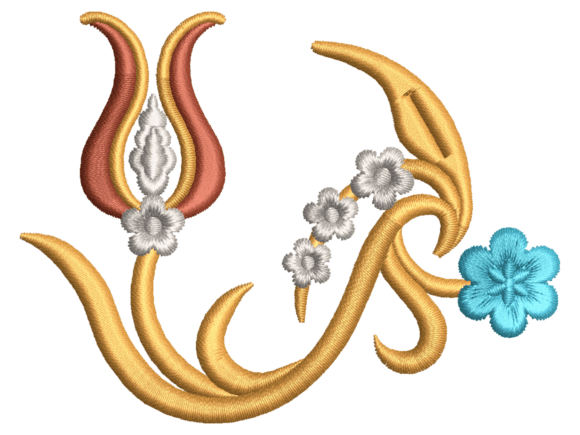
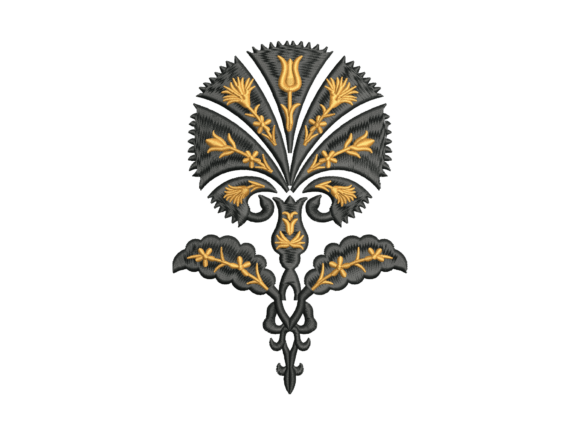
When I first opened the preview of Ottoman Tulip Floral Embroidery, the immediate feeling was one of structured sophistication. Unlike wild, sprawling floral arrangements, this design carries the disciplined geometry characteristic of Ottoman art. The tulips are bold yet graceful, suggesting a layout that relies heavily on strong outlines and controlled fill areas. For a designer, this is promising because it implies good stitch definition. In the world of embroidery file assets, clarity is king. If the lines are too thin, they disappear on textured fabrics; if they are too thick, they look clumsy on fine garments.
The visual personality here feels versatile. It doesn't scream "wedding guest" nor does it whisper "nursery decor." Instead, it occupies a sweet spot suitable for boutique branding, high-end home goods, or statement pieces of custom apparel. The layout suggests that the fill stitch will be dense enough to hide the backing but not so heavy that it creates puckering on lighter materials. This kind of balance is exactly what I look for when sourcing digital embroidery files for commercial use.
Testing the Design: A Real-World Scenario
To truly evaluate Ottoman Tulip Floral Embroidery, I imagined a specific project: a set of premium canvas tote bags for a local artisan coffee shop. These bags need to withstand daily washing, carry weight without tearing, and look professional enough to serve as walking advertisements. I loaded the design into my digitizing software to check the stitch path. The flow of the stitches seemed logical, moving from the center of the petals outward, which usually minimizes thread breaks.
I decided to run a test on a scrap piece of medium-weight cotton canvas using a standard white thread against a dark brown background. The contrast was striking. The satin stitch elements, likely used for the stems and leaf veins, caught the light beautifully, adding a subtle sheen that elevates the perceived value of the finished product. On the tote bag, this design would anchor the brand identity without overwhelming the customer. It feels like a design that invites touch, making the handmade product feel more tactile and expensive than it actually is.
However, the same design performed differently when I considered it for a baby onesie. While the aesthetic is timeless, the density of the Ottoman Tulip Floral Embroidery might be too stiff for a newborn's sensitive skin. This highlights a crucial lesson: just because a design looks beautiful digitally doesn't mean it works on every substrate. As an Etsy seller or small business owner, understanding these limitations is vital for maintaining customer trust.
Navigating Fabric Challenges and Hoop Sizes
One of the most common pitfalls with intricate floral designs is the interaction with fabric texture. When working with Ottoman Tulip Floral Embroidery, you must be cautious with stretchy fabrics like jersey knit or very thin silks. The density required to render those detailed tulip shapes can cause significant puckering if the wrong stabilizer isn't used. I always recommend testing the design on scrap fabric first, especially if you plan to sell the finished items.
For curved surfaces like caps or hats, the rigidity of the design could be an issue. The straight lines and geometric curves of the Ottoman style don't naturally drape over a rounded surface as well as organic, flowing vines do. If you intend to use this for cap embroidery, you may need to resize it significantly or adjust the hoop placement to avoid distortion. Similarly, on layered garments like hoodies, ensure the stitching area isn't too close to a seam, as the bulk of the thread could create an uneven finish.
Regarding hoop size, while the exact dimensions aren't listed in the product description, the complexity suggests it requires at least a 5x7 inch hoop to maintain detail integrity. Attempting to shrink this design for a 4x4 inch hoop might result in lost details and a muddy appearance. Always check the file specifications before committing to a project size. If you are creating an embroidered patch, this design is excellent, provided you leave enough border space for the merrowed edge.
Commercial Viability and Brand Consistency
For creative entrepreneurs and craft business owners, the question is always about return on investment. Does Ottoman Tulip Floral Embroidery add value? Absolutely. In a sea of cartoonish flowers and cliché quotes, a design with historical roots stands out. It signals quality and thoughtfulness. Using this on custom apparel or kitchen towels can elevate a simple item into a collectible piece. Customers often associate intricate, well-executed embroidery with higher price points, allowing you to increase your margins.
However, consistency is key. If you are building a brand around rustic, distressed aesthetics, this polished, geometric floral might clash. Conversely, for a brand focusing on heritage, luxury, or modern bohemian styles, it fits perfectly. When creating printable mockups for your shop listings, ensure the lighting in your photos captures the texture of the thread. Flat images can sometimes fail to convey the depth that Ottoman Tulip Floral Embroidery offers in person.
Practical Designer Notes for Success
Before you finalize any order or start stitching, keep these practical notes in mind:
- Test Colors First: The design relies on contrast. Test it in black and white mockups to see if the silhouette holds up before committing to expensive thread colors.
- Check Licensing: Remember that this is a digital product delivered in ZIP or RAR format. Ensure you have the correct license for commercial use. You can typically sell finished goods, but selling the digital embroidery file itself is usually prohibited unless stated otherwise.
- Stabilizer Matters: Do not skip the stabilizer. For this level of detail, a tear-away or cut-away stabilizer depending on the fabric weight is non-negotiable to prevent shifting.
- Wash Durability: If making holiday gifts or items that will be washed frequently, like tea towels, ensure the knotting and trimming are clean to prevent unraveling.
- No Refunds Policy: Be aware that as a digital download, there are no returns or refunds. Download the files immediately after purchase and verify them before starting your project.
In conclusion, Ottoman Tulip Floral Embroidery is a robust asset for designers who appreciate structure and elegance. It performs exceptionally well on sturdy fabrics and adds a layer of professionalism to handmade products. By respecting its density requirements and choosing the right application, you can create stunning pieces that customers will cherish. Whether for a personal gift or a new line of merchandise, this design offers the visual impact needed to make your work stand out in a crowded marketplace.