Fern Leaf Botanical Embroidery Design Review
As a professional embroidery designer who has spent years translating brand visions into tangible stitched assets, I approach every new machine embroidery design with a critical eye. It is not enough for a pattern to look good on a screen; it must survive the rigors of production, washing, and daily wear while elevating the perceived value of the merchandise. Today, I am reviewing the Fern Leaf Botanical Embroidery, a digital asset categorized under Single Flowers within the broader Embroidery type. This review focuses strictly on its viability for small business merch, branded patches, and commercial apparel decoration.
First Impressions: Aesthetic and Brand Personality
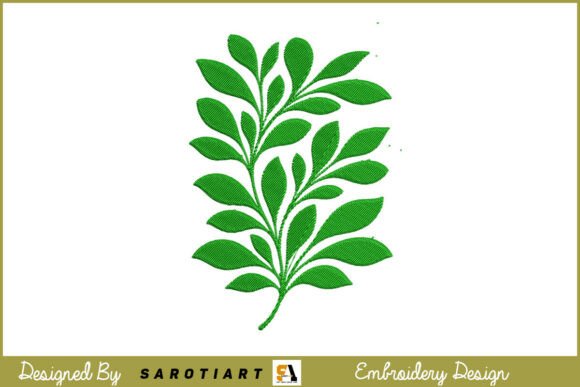
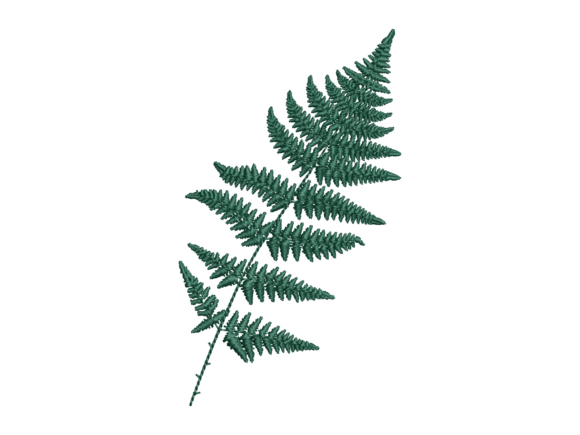
When I first opened the preview of the Fern Leaf Botanical Embroidery, the immediate visual language was one of organic elegance. Unlike bold, geometric logos that scream for attention, this design whispers sophistication. The fern motif inherently suggests growth, nature, and a connection to the earth, making it an ideal candidate for businesses in the wellness, florist, bakery, or eco-friendly boutique sectors. For a handmade brand, this design feels premium yet accessible, bridging the gap between rustic charm and modern minimalism.
In the context of brand identity, the fern leaf offers a versatile accent. It does not overpower text but rather complements it. If you are a café owner looking to add a touch of class to your staff aprons, or a pet brand seeking a softer logo element for your collars, this botanical theme provides a friendly, welcoming vibe. However, because it falls under the Single Flowers category, it requires careful placement to ensure it reads as a deliberate design choice rather than a random decorative flourish.
Performance in Real Business Applications
The true test of any embroidery file is how it performs when scaled for actual products. Here is how the Fern Leaf Botanical Embroidery translates across various commercial use cases:
- Embroidered Patches: This design excels as a standalone patch. The natural curves of the fern fronds create a pleasing silhouette that holds up well when cut out. For a local bakery or artisanal soap maker, sewing this onto a canvas tote bag or a denim jacket creates an instant "boutique" feel without needing expensive custom screen printing.
- Staff Uniforms and Apron Embroidery: Placing this design on the chest pocket of a chef's coat or the bib of a server's apron adds a subtle layer of professionalism. It works particularly well as a secondary mark alongside a larger logo, adding texture and depth to the uniform.
- Cap Embroidery: On a baseball cap, the fern leaf can serve as a side detail or a front-center emblem if sized correctly. The asymmetry of a fern allows for dynamic placement on curved surfaces like caps, provided the stitch direction follows the curve of the headwear.
- Tote Bag Design: For event merch or retail bags, this design offers a high-contrast look. When embroidered on heavy cotton canvas, the raised texture of the stitches enhances the tactile experience of the finished product, encouraging customers to touch and engage with the item.
- Product Packaging Accents: While less common, using a small version of this digital embroidery file on fabric labels attached to packaging (like clothing tags or gift wraps) reinforces the handmade quality of the brand.
Critical Considerations for Production
Despite its aesthetic appeal, the Fern Leaf Botanical Embroidery presents specific challenges that a seasoned decorator must navigate. As with any detailed botanical design, the intricacy of the leaves can become a liability if not managed correctly.
Stitch Density and Detail: Ferns are defined by their fine, repetitive lines. If the stitch density is too high in the original digitization, the thread may bunch up, causing puckering on lightweight fabrics. Conversely, if the density is too low, the delicate tips of the leaves may appear jagged or unfinished. Before committing to a bulk run, I always advise testing the design at 100% scale on a scrap piece of the exact fabric intended for production.
Size Limitations: Do not attempt to shrink this design for tiny applications. On a small button or a narrow cuff, the individual fronds will lose definition and turn into a muddy blob. This is best suited for medium-sized patches or chest logos where the details can breathe. Always verify the minimum recommended size before purchasing the embroidery file.
Fabric Texture and Stabilizer: Textured fabrics like linen or heavy twill can interfere with the smooth flow of the fern leaves. Using the correct stabilizer is non-negotiable here. A tear-away stabilizer might not provide enough support for the intricate turns, so a cut-away or water-soluble topping is often required to keep the stitches crisp and prevent sinking into the fabric weave.
Color Contrast: Because ferns are naturally green, the design relies heavily on color contrast against the background. On dark uniforms, a light green thread will pop beautifully. However, on black fabric, ensure the thread weight is sufficient to cover the backing without showing through. Test different thread colors to see which best aligns with your brand palette while maintaining visibility.
Impact on Brand Value and Customer Perception
Integrating the Fern Leaf Botanical Embroidery into your small business merch strategy goes beyond simple decoration; it is a statement of quality. In an era of fast fashion and cheap printed goods, the presence of real, raised stitching signals durability and care. Customers associate embroidered items with higher value, which can justify a premium price point for your custom apparel or gifts.
This design fosters a sense of trust and recognition. When a customer sees the same fern motif on a staff member's apron, a branded tote bag, and a product label, it creates visual consistency that strengthens brand identity. It transforms a generic item into a branded asset, increasing the likelihood that the customer will carry your name with them in public. For Etsy sellers and crafters, this level of detail distinguishes your work from mass-produced competitors, enhancing buyer engagement and loyalty.
Practical Designer Notes for Implementation
Before you finalize your order for the Fern Leaf Botanical Embroidery, follow these essential steps to ensure a successful commercial project:
- Test in Black and White: Load the file into your software and view it in grayscale. This helps you identify potential issues with spacing and density that color might hide.
- Verify Hoop Size: Check the dimensions of the design against your machine's maximum hoop capacity. If the fern extends beyond the hoop, you will need to split the design, which can lead to misalignment.
- Create a Printable Mockup: Never skip the mockup stage. Print the design at actual size and place it on the garment to visualize the final result. Share this printable mockup with clients for approval before stitching begins.
- Check Licensing: Remember that this is a digital product delivered in ZIP or RAR format. There is no physical item shipped, and typically, there are no returns or refunds for digital files. Ensure you have reviewed the license terms regarding commercial embroidery use. Some licenses allow unlimited production, while others may restrict the number of items you can sell.
- Compare Design Assets: Place the fern next to other elements of your branding, such as typography or logos. Does it harmonize? Is it too busy? Ensure it fits cohesively within your overall suite of design assets.
In conclusion, the Fern Leaf Botanical Embroidery is a powerful tool for businesses aiming to convey elegance and a connection to nature. While it requires careful attention to detail regarding sizing and fabric selection, its potential to elevate handmade products and branded merchandise is significant. By treating this embroidery file with the respect it deserves during the production phase, you can create durable, beautiful items that resonate with your audience and strengthen your brand's market presence.