Father and Son Hug Embroidery Line Review
As a designer who has spent years navigating the delicate balance between artistic vision and machine limitations, I approach every new machine embroidery design with a critical eye. When I first opened the file for the Father and Son Hug Embroidery Line, I wasn't just looking at pixels; I was visualizing thread tension, fabric drape, and the emotional weight of the final product. This specific design carries a heavy sentiment, one that resonates deeply during Father's Day but also holds year-round value for family-themed projects. The question isn't just whether it looks good on a screen, but how it translates into a tangible, high-quality finished product.
First Impressions: Mood and Visual Weight
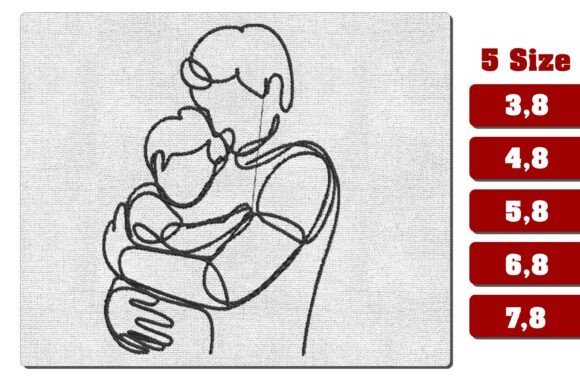
The initial layout of the Father and Son Hug Embroidery Line strikes a perfect chord of warmth and connection. The silhouettes are clean, avoiding overly intricate details that often get lost when stitched onto textured fabrics. In the world of digital design assets, simplicity is often the ultimate sophistication. This design relies on strong outlines and balanced negative space, which suggests it will perform well even on garments with slight stretch or uneven surfaces.
Visually, the composition feels grounded. It doesn't feel like a clip-art afterthought; rather, it has the presence of a professional logo or a boutique brand mark. For an Etsy seller or a small shop owner, this kind of visual confidence is crucial. Customers browsing for a personalized gift need to see a design that promises quality before they even click "add to cart." The mood is nostalgic yet timeless, making it suitable for everything from a toddler's onesie to a commemorative sweatshirt for a grandfather.
Testing in Real-World Scenarios
To truly evaluate this embroidery file, I imagined placing it on a few different substrates. First, I pictured it on a heavyweight cotton tote bag. The available sizes, ranging from 3.8 inches to 7.8 inches, offer incredible flexibility here. A 5.8-inch version would sit perfectly centered on a canvas tote, acting as a statement piece without overwhelming the bag. The stitch density appears moderate, which is ideal for bags that might be washed frequently. If the density were too high, the fabric could pucker, ruining the structural integrity of the tote.
Next, I considered a sweatshirt embroidery project. Placing the design on the chest pocket area of a heather grey hoodie creates a classic, casual look. Because the design comes in multiple sizes, you can scale it up to 6.8 inches for a bold back print or keep it at 4.8 inches for a subtle front detail. The key here is the interplay between the fill stitch and the background fabric. On a dark sweatshirt, using light-colored threads would make the hug pop, while a tonal look on a light sweatshirt would require careful selection of thread colors to ensure visibility without harsh contrast.
For baby embroidery, the smaller sizes are a game-changer. A 3.8-inch version is perfect for a baby hat or a corner of a receiving blanket. The soft curves of the hugging figures translate beautifully into satin stitches, creating a smooth texture that is gentle against a baby's skin. However, this brings us to a critical point: the stability of the fabric. Delicate nursery items require the right stabilizer to prevent the design from distorting the knit structure of the fabric.
Navigating Technical Challenges
While the Father and Son Hug Embroidery Line is versatile, it is not without its challenges. One area requiring caution is curved surfaces, such as baseball caps. While the 3.8-inch size fits a standard cap panel, the rounded nature of the figures means the running stitch and outline definitions must remain crisp. If the hoop tension is off, the curvature of the arms or heads could distort, losing the emotional impact of the embrace.
Another consideration is textured fabrics. If you attempt to embroider this on a thick terry cloth towel or a chunky knit sweater, the needle may struggle to penetrate evenly, leading to skipped stitches or thread breakage. In these cases, testing the design on scrap fabric first is non-negotiable. You must check if the stitch density needs adjustment to accommodate the fabric's thickness. Similarly, on very thin or sheer fabrics, the design might show through to the other side, so using a tear-away stabilizer and potentially a lighter color scheme is advisable.
Detailed corners are another potential pitfall. Although this design is relatively simple, any sharp angles in the clothing folds of the figures need to be inspected closely. If the digitization is poor, these corners can bunch up or leave gaps. Always zoom in on your digital embroidery file preview to ensure the vector paths are smooth before committing to a commercial run.
Strategic Value for Craft Businesses
For the creative entrepreneur, the true value of the Father and Son Hug Embroidery Line lies in its versatility across product lines. It serves as an excellent anchor for a Father's Day collection but can easily transition into holiday embroidery for Christmas or anniversary gifts. The design's emotional resonance builds customer trust; buyers know they are purchasing a heartfelt item, not just a generic decoration.
When creating printable mockups for your online store, this design shines. Its clear silhouette allows for realistic rendering on various apparel types, helping customers visualize the custom apparel before purchase. This clarity directly impacts buyer engagement and reduces return rates. Furthermore, for those selling commercial embroidery services, having a reliable, scalable design like this in your portfolio demonstrates professionalism and attention to detail.
Practical Designer Notes for Success
Before launching this design into production, there are a few essential steps to take. First, always test the design on a piece of scrap fabric that matches your intended final material. This allows you to verify the hoop size requirements and adjust tension settings if necessary. Second, review the thread colors against your fabric swatches. What looks great on a white screen might disappear on a navy blue shirt.
Third, confirm the licensing terms. As a small business merchandise creator, you must ensure you have the rights to sell finished goods made with this machine embroidery design. Some files are for personal use only, while others allow for commercial application. Never assume; always read the license agreement to protect your craft business.
Finally, consider the context of the embroidered patch option. If you plan to sew this design onto jackets or bags as a patch rather than stitching it directly, the backing material becomes critical. A sturdy felt or twill backing will hold the shape better than a thin mesh, ensuring the handmade product maintains its premium feel over time.
In conclusion, the Father and Son Hug Embroidery Line is a robust addition to any designer's toolkit. It balances emotional appeal with technical practicality, offering a range of sizes that cater to diverse project needs. Whether you are crafting a unique personalized gift for a loved one or stocking inventory for your small shop product line, this design offers the reliability and visual impact needed to create memorable, high-quality work.