Embroidery Hoop Background: A Designer's Review
As I set up my craft fair booth this weekend, the pressure to stand out among rows of handmade goods is real. My table will be filled with embroidered tote bags, aprons, tea towels, patches, caps, small pouches, pillow covers, and giftable handmade items. Every piece needs to catch the eye within seconds. That is why I am taking a close look at the Embroidery Hoop Background before committing it to my production line. This digital asset promises to enhance online presence with high-quality images, but does it translate well into physical craft fair products? Let's dive into how this design performs when moved from a screen to fabric.
First Impressions: Style and Market Fit
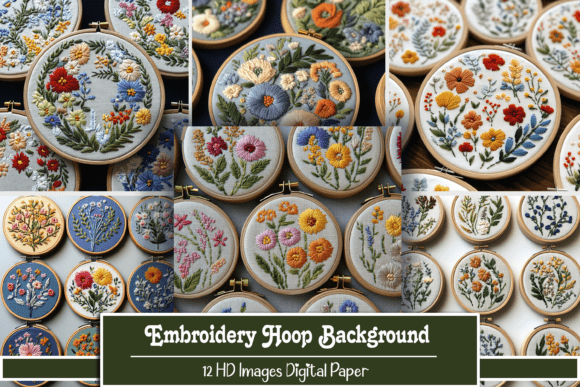
The title Embroidery Hoop Background suggests a versatile foundation rather than a standalone focal motif. Based on the description highlighting "stunning collection of background images" and "Digital Paper," I interpret this as a resource for creating cohesive Graphics that support a brand identity. For an Etsy seller or boutique maker, the vibe feels modern yet adaptable. It leans towards a clean, decorative aesthetic that can easily shift between farmhouse charm and elegant minimalism depending on the color palette chosen.
In a crowded market environment, a design that serves as a strong background can make your main product pop. If you are selling handmade products like apron embroidery or tea towel designs, having a consistent visual theme helps customers recognize your brand instantly. The Embroidery Hoop Background offers a structured way to frame your work without overwhelming it, which is crucial for maintaining a premium look in your booth display.
Performance Across Product Types
When evaluating where this design shines, I consider the surface area and texture of the item. Here is how the Embroidery Hoop Background holds up across different applications:
- Tote Bags and Market Bags: These large surfaces are perfect for utilizing a background pattern. The design can wrap around the bag or serve as a border, giving the tote bag design a finished, professional appearance. It works exceptionally well here because the larger canvas allows the details of the background to breathe.
- Aprons and Kitchen Towels: For apron embroidery and tea towel embroidery, a subtle background adds depth without competing with central motifs like flowers or text. However, care must be taken with fabric texture; thick terry cloth might obscure fine lines in the background pattern.
- Patches and Caps: Smaller items like embroidered patches and curved cap surfaces present challenges. A complex background might lose clarity at these scales. It is best used as a faint wash or a simplified accent rather than a dense fill on small areas.
- Pillow Covers and Pouches: These medium-sized items offer a sweet spot. The background can provide a rich texture that invites touch, increasing the perceived value of the finished product.
- Digital Sales and Mockups: Since the product description mentions enhancing online presence, this asset is a goldmine for creating printable mockups. Using the Embroidery Hoop Background in your Etsy listings ensures your photos look cohesive and professional, drawing buyers in before they even see the physical stitch work.
Practical Production and Selling Points
From a production standpoint, the ease of understanding the design at a glance is vital. Customers at a craft fair do not have time to squint at tiny details. The Embroidery Hoop Background must function effectively whether it is a small accent or a large focal element. In my experience, designs that photograph well are those with good contrast and clear definition. This background appears to offer that clarity, making it ideal for commercial embroidery where consistency is key for batch production.
Visual appeal directly impacts buyer engagement. A well-chosen background elevates the perceived quality of the small shop product. It signals that the creator pays attention to detail, from the thread colors to the layout. This attention to detail builds brand consistency, making your booth look curated rather than cluttered. When customers see a cohesive collection of items using the same design assets, they are more likely to purchase multiple items, boosting your sales per customer.
Critical Care Notes for Embroiderers
While the potential is high, there are specific areas where caution is required to ensure the final result looks professional.
- Dense Stitch Areas: Backgrounds often involve fill stitches. Be wary of creating overly dense areas, especially on thicker fabrics like denim or canvas. High stitch density can cause puckering, which ruins the drape of a tote bag design or makes a patch stiff and uncomfortable.
- Tiny Details and Small Lettering: If the Embroidery Hoop Background includes intricate patterns or text, shrinking the design for a cap or small pouch may result in lost details. Always test the minimum size before running a full batch.
- Fabric Texture and Color: Textured towels and dark fabrics can swallow light-colored threads. Ensure you have sufficient thread contrast so the background remains visible. On dark fabric, you may need to adjust the embroidery file to include underlay stitches for better coverage.
- Curved Surfaces: Applying a flat background design to a curved cap requires careful digitizing or resizing to prevent distortion. The design should flow naturally with the shape of the hat.
Designer's Checklist Before Production
Before you commit the Embroidery Hoop Background to your next machine embroidery design run, follow these steps to guarantee success:
- Test on Scrap Fabric: Never skip this step. Run the design on a scrap piece of the actual fabric you intend to use. Check for puckering, thread breaks, and visibility.
- Check Thread Contrast: Ensure the background colors stand out against the base fabric. Poor contrast can make the design look muddy or unfinished.
- Review Spacing and Hoop Size: Confirm that the design fits comfortably within your hoop size without hitting the edges. Leave adequate spacing between the background and any main motifs to prevent thread tangling.
- Inspect Stitch Density: Adjust the density settings if necessary. Too much thread weight can distort the fabric, while too little may leave gaps.
- Use the Right Stabilizer: For backgrounds, a tear-away or cut-away stabilizer is often essential to support the extra thread weight and maintain fabric integrity.
- Create Real Mockups: Take photos of the actual stitched sample. Compare these to your digital paper renderings to see how the light interacts with the stitches.
- Confirm Commercial Licensing: As a business owner, always verify that you have the right to sell finished products made with this digital embroidery file. Check the terms regarding commercial embroidery usage to avoid legal issues.
Final Verdict for Craft Fair Success
The Embroidery Hoop Background is a powerful tool for creative entrepreneurs looking to elevate their brand. It bridges the gap between digital marketing and physical craftsmanship. By using it strategically on handmade gifts, booth samples, and Etsy listings, you create a unified visual story that attracts customers and justifies higher price points. However, its success relies on your ability to adapt it to different fabrics and sizes. With proper testing and attention to stitch density and fabric texture, this design can become a staple in your collection, helping you turn heads and fill your order book for the season ahead.