Dreaming Autism Embroidery Jeweled Art Review
As a designer who has spent years navigating the delicate balance between artistic vision and machine limitations, I approach every new machine embroidery design with a critical eye. When I first encountered the Dreaming Autism Embroidery Jeweled Art, my immediate reaction was one of genuine appreciation for its intent. In the world of Crafts and Graphics, creating work that celebrates neurodiversity requires a level of sensitivity that goes beyond simple aesthetics. This collection promises to capture the unique brilliance of the neurodiverse mind, but does it hold up under the scrutiny of real-world stitching? Let's dive into how this design performs when moved from the screen to the hoop.
First Impressions: Mood and Visual Personality
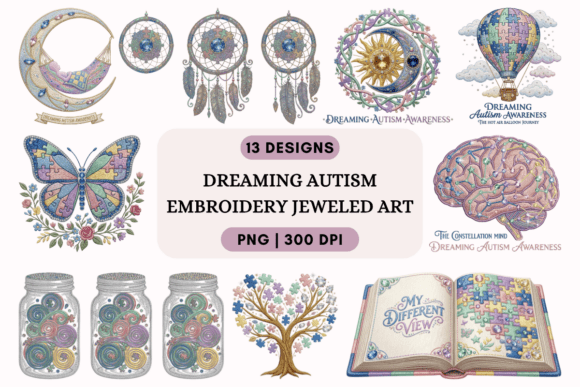
The moment you open the preview for Dreaming Autism Embroidery Jeweled Art, the mood is immediately established. It is not just a pattern; it is a statement. The "jeweled" aspect of the title suggests a high level of detail, likely utilizing intricate fill stitch techniques to mimic the sparkle and depth of gemstones. For an Etsy seller or a boutique owner looking to add meaningful products to their inventory, this visual personality is a significant asset. The layout appears balanced, designed to draw the eye without overwhelming the fabric it sits upon.
However, as a professional, I know that what looks stunning on a monitor can sometimes struggle in execution. The complexity of the design implies a need for precise thread tension and high-quality materials. If you are planning to use this as a personalized gift or a centerpiece for a handmade product, the emotional resonance is there. The imagery feels celebratory rather than clinical, which is exactly what we want when representing autism awareness. It transforms a symbol of support into a piece of wearable art.
Real-World Application: From Screen to Fabric
To truly evaluate Dreaming Autism Embroidery Jeweled Art, I imagine a specific scenario: preparing a custom embroidered tote bag for a local craft fair. Tote bags are a staple for small business merchandise, but they present challenges due to their often textured canvas and frequent handling. In this context, the design needs to be durable and visually clear from a distance.
If I were to place this embroidery file on a sturdy cotton canvas tote, the "jeweled" elements would likely pop beautifully against the neutral background. The contrast would make the colors vibrant, turning a simple bag into a conversation starter. Alternatively, consider using this design for sweatshirt embroidery. A heavy-weight fleece provides a stable base, allowing the stitch density to build up without puckering. For a parent looking for a special item, perhaps a baby embroidery project like a onesie or a soft blanket, the gentle curves and meaningful theme make it a perfect choice. It elevates the item from a standard garment to a cherished keepsake.
I also see potential here for creating an embroidered patch. Patches are versatile design assets that can be sold individually or attached to denim jackets, backpacks, and hats. The defined edges typical of such designs ensure that the patch holds its shape well after cutting. Whether you are selling digital files or finished goods, the versatility of Dreaming Autism Embroidery Jeweled Art allows it to fit into various niches, from holiday embroidery collections to year-round awareness campaigns.
Navigating Challenges: Where Caution is Needed
Despite its beauty, this design is not a "one-size-fits-all" solution. As an experienced reviewer, I must point out where caution is required. The intricate details suggested by the "jeweled" description mean that small hoop sizes might be problematic. If the design is too large for your hoop, you risk misalignment and registration issues, which can ruin the clarity of the image.
Fabric texture is another critical factor. On thin or stretchy fabrics, the weight of the dense stitching could cause distortion. You will need to use a heavy-duty stabilizer to counteract this, especially if working with knits or performance wear. Similarly, dark fabrics require careful consideration of thread colors. While the design might look great on white, placing it on black may require a tonal shift or a backing layer to ensure visibility. Without proper planning, the "jewels" could get lost in the darkness.
Furthermore, curved surfaces like caps demand precision. If the design includes tiny lettering or fine lines, the curvature of a hat panel can distort the final look. It is essential to test the design on a scrap piece of the actual fabric you intend to use. This step is non-negotiable for maintaining professionalism. If you are aiming for commercial embroidery, consistency is key, and skipping the test run can lead to wasted time and materials.
Impact on Product Value and Brand Trust
Using a thoughtful design like Dreaming Autism Embroidery Jeweled Art significantly impacts the perceived value of your finished product. Customers today are looking for authenticity. They want to support businesses that understand the importance of representation. By incorporating this design, you are signaling that your brand cares about inclusivity and quality. This builds customer trust and fosters deeper engagement.
For a craft business, the visual appeal of the embroidery translates directly to sales. A well-executed tote bag design or a beautifully stitched pillow cover stands out in a crowded marketplace. It suggests that the creator pays attention to detail, from the choice of thread to the stability of the stitches. This level of care enhances the giftability of the item. People are more likely to purchase a product that feels special and carries a message of hope and celebration.
Moreover, the design contributes to brand consistency. If your shop focuses on meaningful, handmade items, this artwork aligns perfectly with that identity. It helps create a cohesive look across your listings, whether you are showcasing printable mockups online or displaying physical samples at a trade show. The recognition of the autism awareness symbols combined with the artistic flair creates a unique selling proposition that generic designs simply cannot match.
Practical Designer Notes for Success
Before you commit to a full production run, take these practical steps to ensure success with Dreaming Autism Embroidery Jeweled Art:
- Test on Scrap Fabric: Always run a test on the exact material you plan to use. Check for puckering, skipped stitches, or color bleeding.
- Check Thread Contrast: Ensure the thread colors provide enough contrast against the fabric background for maximum readability.
- Review Stitch Density: Inspect the digital file to ensure the density is appropriate for your fabric type. Too much density can tear delicate materials.
- Confirm Hoop Size: Verify that the design fits comfortably within your machine's hoop to avoid alignment errors.
- Inspect Small Details: Zoom in on the file to check for any tiny elements that might get lost during stitching.
- Test Mockups: Create both black and white and colored mockups to visualize how the design will look on different products.
- Use Proper Stabilizer: Invest in high-quality stabilizers to support the weight of the design, especially on stretchy or thin fabrics.
- Verify Licensing: Before selling finished items or the digital embroidery file, confirm the licensing terms. Ensure you have the right to use the design for commercial purposes.
In conclusion, Dreaming Autism Embroidery Jeweled Art offers a powerful opportunity for designers and makers to create products that are both beautiful and meaningful. With careful planning and attention to technical details, it can become a standout piece in your portfolio. Whether you are decorating a kitchen towel, a holiday gift, or a line of custom apparel, this design has the potential to resonate deeply with your audience. Just remember, the magic happens not just in the design itself, but in the skillful execution that brings it to life.