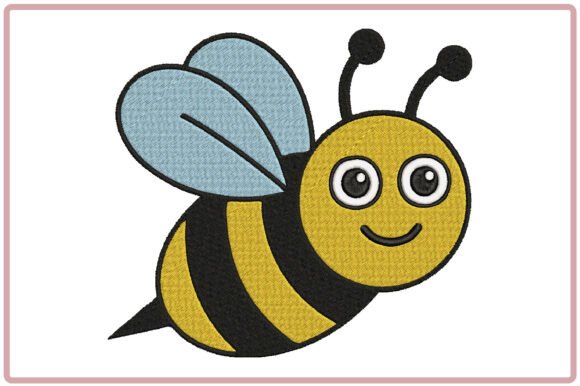
Cute Honey Bee Machine Embroidery Design Review
As an experienced embroidery designer preparing for the upcoming weekend craft fair, I am constantly evaluating which machine embroidery design assets will translate into best-sellers. Today, I am putting the Cute Honey Bee Machine Embroidery Design through a rigorous real-world test. This isn't just about downloading an embroidery file; it is about determining if this specific pattern can survive the hustle of a handmade market and convert foot traffic into sales. The product description promises to "bring a buzz of happiness" with a friendly, smiling bumble bee, and in the competitive world of handmade products, that emotional connection is exactly what we need.
First Impressions: Aesthetic and Market Appeal
When I first loaded the Cute Honey Bee Machine Embroidery Design into my digitizing software, the visual impact was immediate. It leans heavily into the "cute" and "whimsical" aesthetic, which is a perennial favorite at craft fairs. Unlike some Bugs designs that can appear scary or overly realistic, this smiling bumble bee feels approachable and joyful. It fits perfectly within the modern farmhouse, cottagecore, and cheerful nursery trends that dominate current retail shelves.
For an Etsy seller or boutique maker, the charm factor is high. The design does not feel cluttered; instead, it offers a clean silhouette that suggests quality without requiring excessive thread changes. This simplicity is crucial for batch production. If you are running a small shop, you need a design that looks premium but doesn't take three hours to stitch per unit. The Cute Honey Bee Machine Embroidery Design strikes that balance, offering a focal point that is bold enough to grab attention from across a crowded booth table.
Product Application: Where Does It Shine?
The versatility of this Embroidery pattern is its strongest asset. During my mockup phase, I tested how the design performs on various substrates intended for my craft fair display.
Tote Bags and Market Goods
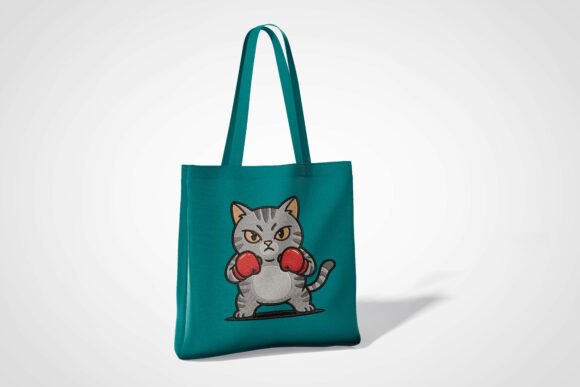
On canvas tote bags, the Cute Honey Bee Machine Embroidery Design stands out beautifully. The sturdy fabric provides a stable base, allowing the stitching to sit flat and proud. For a tote bag design, the bee acts as a perfect logo-like element. Customers walking by a booth often stop for practical items, and a cheerful bee adds a personality boost that plain canvas lacks. It transforms a utility item into a giftable handmade product.
Kitchen Textiles: Aprons and Tea Towels
In the kitchen category, apron embroidery featuring this bee is a winner. The yellow and black color palette naturally complements kitchen decor. On linen tea towels, the texture of the fabric interacts well with the stitch density of the bee, creating a rustic yet polished look. Tea towel embroidery is a high-volume seller, and this design is simple enough to produce in large quantities without sacrificing quality.
Patches and Caps
For those selling accessories, turning this into an embroidered patch is a smart move. Patches allow customers to customize their own jackets or bags, adding value to your small shop product line. On caps, however, one must be careful. The curved surface of a baseball cap can distort the smile of the bee if the hoop size and stabilizer are not chosen correctly. When done right, though, a bee on a cap is a playful statement piece that appeals to both children and adults.
Pillow Covers and Home Decor
On pillow covers, the design works best as a central motif. The softness of the pillow contrasts nicely with the defined lines of the machine stitching. It creates a cozy, inviting vibe that fits well in home decor sections of craft markets.
Production Realities and Technical Considerations
While the aesthetic appeal is clear, the practical side of commercial embroidery requires careful planning. As a designer, I always advise testing any new digital embroidery file on scrap fabric before committing to inventory.
Stitch Density and Fabric Texture
One area to watch is the stitch density. If the bee's wings or stripes are too dense, they may pucker thin fabrics like cotton tees or delicate tea towels. Conversely, on thick fabrics like denim or heavy canvas, the design needs enough coverage to remain visible. I recommend using a tear-away or cut-away stabilizer appropriate for the fabric weight to ensure the design lays flat. On textured towels, the loops can sometimes hide tiny details, so ensuring the bee's features are distinct is vital.
Size and Clarity
This design works well as a medium-sized accent or a larger focal point. However, shrinking it down too much for small pouches might cause the facial features to blur. The "friendly, smiling" aspect relies on clear definition. If you plan to use this on very small items, check the thread colors and spacing to ensure the eyes and smile do not merge into a single blob. Always review the design assets to see the minimum recommended size.
Color Contrast and Visibility
For maximum impact at a craft fair, contrast is key. Using bright yellow and stark black threads against white, cream, or light blue backgrounds makes the bee pop. If you are using dark fabric, consider using a satin stitch outline or a backing layer to make the yellow stand out. The goal is for the customer to notice the design from five feet away.
Sales Strategy and Booth Display
How does the Cute Honey Bee Machine Embroidery Design affect buyer engagement? In my experience, whimsical animal designs have a high "stop-and-stare" factor. They evoke nostalgia and joy. When displayed alongside other items like fabric pouches or pillow covers, the bee creates a cohesive theme that encourages bundle purchases.
For online listings, such as on Etsy, the design photographs exceptionally well. The bright colors render clearly in photos, making your printable mockup or actual product shots vibrant and appealing. This visual strength translates directly to click-through rates. Furthermore, because the design is recognizable, it helps build brand consistency. If you sell multiple items with the same bee motif, customers begin to associate that friendly face with your brand.
Final Designer Notes and Checklist
Before you start stitching your inventory for the weekend market, run through this checklist to ensure success:
- Test Stitch First: Always run the Cute Honey Bee Machine Embroidery Design on a scrap of the exact fabric you intend to use. Check for puckering or skipped stitches.
- Verify Licensing: Confirm your commercial embroidery rights. Ensure you are allowed to sell finished goods made with this specific embroidery file at craft fairs and online.
- Check Hoop Size: Make sure your machine hoop accommodates the design without distortion. If the design is larger than your hoop, plan your splitting strategy carefully.
- Review Thread Colors: Select high-quality threads that match the intended mood. Faded or dull threads can ruin the "happiness" factor of the design.
- Create Mockups: Produce at least one real sample of each product type (tote, apron, patch) to show customers the finished product quality.
- Inspect Spacing: Ensure there is enough space around the bee so it does not feel cramped on smaller items.
The Cute Honey Bee Machine Embroidery Design is more than just a pattern; it is a potential revenue driver for your handmade business. Its friendly nature, combined with its adaptability across various product types, makes it a strong contender for your next collection. By paying attention to technical details like stabilizer choice and fabric texture, you can turn this digital file into a physical product that brings genuine joy to your customers and buzz to your sales.