Bunny Cotton Tail Embroidery Review
As a professional embroidery designer who spends weekends setting up booths at local craft fairs and managing an online handmade shop, I approach every new design asset with a critical eye. My goal is simple: will this machine embroidery design sell? Does it translate well from the screen to a tangible product that customers want to touch and buy? Today, I am reviewing the Bunny Cotton Tail Embroidery, a digital file promising to add a soft and playful touch to spring projects. Let's break down how this adorable fluffy bunny tail shape performs in the real world of small business production.
First Impressions: The Aesthetic Appeal
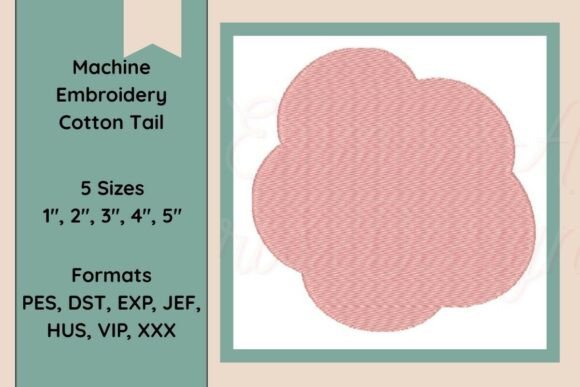
When I first loaded the preview of the Bunny Cotton Tail Embroidery, the immediate feeling was one of whimsical simplicity. It does not scream "bold statement piece" in the way a large floral bouquet might; instead, it offers a charming, rustic, and festive vibe perfect for the Easter season. The design feels inherently cute without being overly cluttered. For a craft fair booth filled with colorful chaos, this clean, fluffy silhouette acts as a visual breath of fresh air. It fits seamlessly into farmhouse, modern-rustic, and traditional Easter themes alike.
The key to its appeal lies in its abstraction. By focusing on the iconic cotton tail shape rather than a full bunny face, the design becomes versatile. It suggests a character without requiring complex facial features that can sometimes look distorted if the stitching isn't perfect. This makes it an excellent candidate for a handmade product line where consistency is key.
Product Placement: Where It Sells Best
In my experience, the success of an embroidery file depends heavily on the substrate. Here is how I envision using the Bunny Cotton Tail Embroidery across various items for a weekend market or Etsy shop:
- Tote Bags: Placing this design on the lower corner of a natural canvas tote bag creates an instant tote bag design that feels both functional and giftable. The white thread against beige canvas mimics the actual texture of a bunny tail, creating a delightful tactile illusion.
- Kitchen Linens: As a form of tea towel embroidery or apron embroidery, this motif works beautifully. Imagine a set of kitchen towels with a single embroidered tail peeking out near the hem. It adds a touch of seasonal humor that appeals to home cooks and gift buyers.
- Patches and Caps: Because the shape is distinct, it translates perfectly into an embroidered patch. These patches are high-margin items for Etsy sellers. Sewing them onto denim jackets or baseball caps allows customers to wear their holiday spirit subtly. However, be mindful of the curved cap surface when applying larger versions.
- Small Pouches and Pillow Covers: For small shop products, a centered tail on a linen pouch or a corner accent on a pillow cover adds premium value. It transforms a generic item into a curated, handmade piece.
Production Practicality and Batch Consistency
For any creative entrepreneur running a commercial embroidery operation, time is money. The Bunny Cotton Tail Embroidery appears to be highly efficient for batch production. Unlike intricate designs with thousands of color changes, this silhouette likely relies on fewer thread colors, reducing machine downtime and thread waste. This efficiency is crucial when you are preparing dozens of items for a busy Saturday morning market.
The design's simplicity also means it is easy to understand at a glance. Customers browsing your table do not need to squint to see what the product is. In a crowded booth, clarity wins sales. Furthermore, because the shape is relatively compact, it photographs exceptionally well for online listings. A close-up shot of the fluffy texture on a printable mockup or a real photo can drive clicks and conversions on platforms like Etsy or Instagram.
Critical Design Notes for Success
While the concept is sound, execution determines the final quality. As a designer, I must highlight several areas where care is required to ensure the finished product looks professional.
First, consider stitch density. If the design fills the tail area too densely, it may become stiff and lose the "fluffy" aesthetic we are aiming for. Conversely, if it is too sparse, the fabric underneath might show through, making the design look unfinished. Always test the design on scrap fabric that matches your intended material before committing to a full run.
Second, pay attention to thread colors. While white is the obvious choice for a cotton tail, experimenting with pastels or contrasting colors could create unique variations for different collections. However, avoid dark threads on light fabrics if you want to maintain the classic look, and vice versa, unless you have a specific aesthetic goal.
Third, the hoop size matters. Ensure your hoop accommodates the design without stretching the fabric excessively, which can cause puckering, especially on textured towels or thick canvas. Using the right stabilizer is non-negotiable here. A tear-away stabilizer might work for smooth fabrics, but a cut-away or water-soluble option is often better for maintaining the integrity of the fluffy texture on items like tea towels or knit caps.
Visual Appeal and Brand Consistency
Integrating the Bunny Cotton Tail Embroidery into your brand strategy can significantly boost buyer engagement. Its playful nature invites interaction. At a craft fair, customers often reach out to feel the texture of the embroidery. This tactile connection increases the perceived value of the item, allowing you to price your craft fair product higher than mass-market alternatives.
For boutique makers, this design serves as a great anchor for a cohesive collection. You can pair it with other spring-themed elements like eggs or flowers to create a unified display. Consistency in your booth setup—using the same design assets across different product types—signals professionalism and helps build brand recognition.
Final Checklist Before Production
Before you start stitching hundreds of units, follow these practical steps to ensure your digital embroidery file delivers results:
- Test Run: Stitch the design on a sample of your actual fabric to check for puckering and density issues.
- Verify Licensing: Confirm the commercial licensing terms. Ensure you are allowed to sell finished goods containing this design if you plan to use it for commercial embroidery.
- Check Dimensions: Verify the maximum and minimum sizes. Avoid shrinking the design too much, as tiny details in the tail fluff might get lost or merge together.
- Mockups: Create realistic photos or use a printable mockup to visualize how the design looks on your specific products before listing them online.
- Fabric Texture: Be cautious with highly textured fabrics like loop-back terry cloth, as the needle may skip or the thread may sink in, obscuring the design.
In conclusion, the Bunny Cotton Tail Embroidery is a strong contender for any maker looking to capitalize on the spring and Easter market. Its balance of simplicity, charm, and versatility makes it a reliable asset for creating high-quality, sellable handmade goods. With careful attention to thread selection, stabilizer use, and fabric pairing, this design can become a standout feature in your next craft fair booth or online shop.